
High-risk obstetrics consultation
Consultation for pregnancies that may need closer monitoring and specialist guidance.
View serviceWomen’s health, pregnancy and gynecology consultation information.
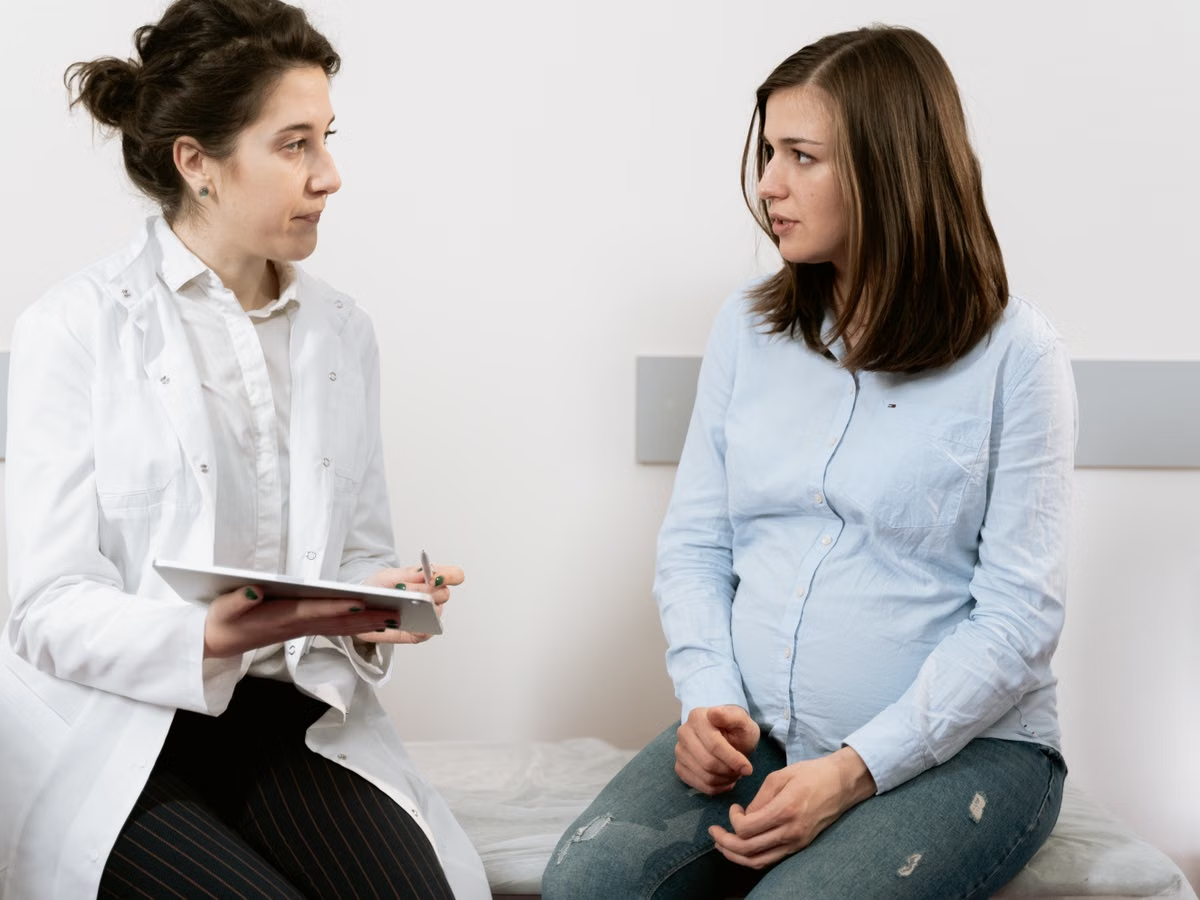
Consultation information for women’s health, pregnancy and gynecology concerns. The hospital confirms the appropriate doctor and next steps.
Published consultation services available within this specialty.
Consultation for pregnancies that may need closer monitoring and specialist guidance.
View serviceA private consultation to discuss fertility concerns, history and possible next steps.
View serviceConsultation for PCOS symptoms, menstrual concerns and personalised care planning.
View serviceConsultation for gynecology concerns where minimally invasive surgery may be discussed.
View serviceReview the published professional profile, consultation timings and patient feedback before requesting an appointment.

Consultant gynecologist and obstetrician.
Consultation fee: Rs. 1,500OPD: 6 days · Mon – Sat · 7:30 PM – 9:00 PMView profilePublished answers from the services in this specialty. For personal medical advice, please consult the hospital team.
A pregnancy is considered high-risk when the mother or baby has an increased chance of complications. Diabetes, high blood pressure, multiple pregnancies, and certain previous pregnancy complications may increase the risk.
No. Many women with high-risk pregnancies have successful deliveries. Regular monitoring, appropriate treatment, and careful birth planning help manage possible complications.
You may need additional appointments, ultrasound scans, blood tests, or fetal monitoring. The frequency depends on your medical condition and your baby's development.
A vaginal delivery may still be possible. Your obstetrician will recommend the safest delivery method based on your health, your baby's condition, and any pregnancy complications.
Severe headaches, blurred vision, vaginal bleeding, severe abdominal pain, breathing difficulties, or reduced baby movements require urgent medical assessment.
Women under 35 should generally seek evaluation after 12 months of regular, unprotected intercourse without pregnancy. Women aged 35 or older should seek evaluation after six months, or earlier if there are known fertility concerns.
Infertility may result from irregular ovulation, blocked fallopian tubes, hormonal disorders, endometriosis, or sperm-related problems. Sometimes, no specific cause is identified.
Yes, fertility problems can affect either partner. Doctors commonly recommend evaluating both partners to identify possible causes and develop a suitable treatment plan.